
 +86 13505025697


How to Start a Tissue Factory in Africa and Build a Sustainable Paper Manufacturing Business?
July 24, 2026
Starting a tissue factory in Africa requires careful planning, suitable production equipment, reliable raw material supply, and a clear understanding of local market demand. For investors and business owners, the first step is not only purchasing machines but also building a complete manufacturing strategy. A successful tissue factory needs to consider factory location, production capacity, product selection, distribution channels, and technical support. For example, an entrepreneur in Nigeria may begin with a small facial tissue production line to serve local retailers and gradually expand capacity after establishing stable customer demand. This step-by-step approach helps reduce investment pressure and creates a practical path for long-term growth.
Africa has a growing demand for disposable hygiene products due to population growth, urban development, and changing consumer habits. Many regions still depend on imported tissue products, which creates opportunities for local manufacturing. However, investors need to understand the challenges of establishing production facilities, including logistics, electricity supply, skilled workers, and equipment selection.
Why Is Africa a Potential Market for Tissue Manufacturing?
The tissue paper industry depends strongly on population needs and daily consumption habits. Products such as facial tissues, toilet tissues, and household paper products have become essential items in many markets.
African countries represent diverse business environments. Some regions have strong urban demand, while others require gradual market development. Understanding local conditions is the foundation for investment decisions.
Growing Demand for Local Tissue Production
Many African markets import a significant amount of tissue products. Local production can help reduce transportation costs and improve supply efficiency.
A local tissue factory can provide several business advantages:
• Shorter delivery distances
• Better response to customer demand
• Reduced dependence on imported products
• Opportunities to develop regional distribution networks
For example, a tissue manufacturer located near major cities can supply supermarkets, hotels, restaurants, and wholesalers more efficiently than overseas suppliers.
Local production also allows businesses to adjust product specifications according to regional preferences. Different markets may require different package sizes, paper quality, and pricing strategies.
Understanding Target Customers Before Investment
Before establishing a factory, investors should identify target customer groups.
Potential customers include:
• Retail chains
• Hospitality businesses
• Medical facilities
• Office suppliers
• Local distributors
Each customer group has different requirements.
Hotels may require consistent quality and customized packaging. Retail customers may focus more on price and availability. Medical facilities may require strict hygiene standards.
A clear customer strategy helps determine suitable production equipment and factory capacity.
What Equipment Is Needed to Start a Tissue Factory in Africa?
Selecting the right tissue machinery is one of the most important decisions for new investors.
The equipment configuration should match production goals, available investment, and expected market demand.
A startup factory does not always require the largest production line. Many businesses begin with suitable converting equipment and expand after developing stable sales channels.
Choosing the Right Tissue Production Line
The main equipment depends on the products a factory plans to manufacture.
For facial tissue production, investors usually need equipment that can complete processes including:
• Paper feeding
• Folding
• Cutting
• Embossing
• Counting
• Packaging preparation
A suitable machine configuration improves production efficiency and product consistency.
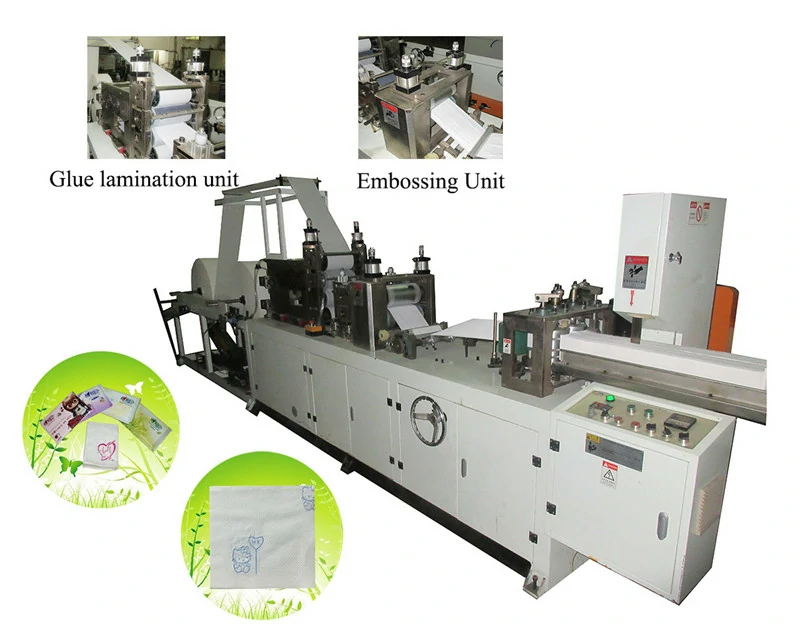
For companies starting with facial tissue products, an automatic facial tissue folding machine can provide a practical solution for organized production processes.
The machine selection should consider current market demand and future expansion plans. Buying equipment without considering growth may create limitations later.
Production Capacity Planning
Capacity planning directly affects investment efficiency.
A factory producing too little may fail to meet customer demand. A factory producing too much may increase operating costs and create inventory pressure.
Investors should evaluate:
| Planning Factor | Importance for Tissue Factory Setup | Example Consideration |
|---|---|---|
| Production Capacity | Determines output volume | Match machine speed with market demand |
| Product Type | Defines equipment requirements | Facial tissue, toilet tissue, or other products |
| Factory Space | Influences installation planning | Allow production and storage areas |
| Labor Availability | Affects daily operation | Consider local technical skills |
| Utility Supply | Supports stable production | Electricity and water requirements |
A realistic production plan helps investors control costs and avoid unnecessary equipment investment.
How Should Investors Select a Location for a Tissue Factory?
Factory location affects raw material transportation, workforce availability, distribution efficiency, and operating costs.
Choosing the right location requires a balance between market access and production conditions.
Evaluating Local Infrastructure
Investors should review several factors before selecting a factory location:
• Access to transportation networks
• Electricity stability
• Water availability
• Warehouse conditions
• Labor resources
Tissue production requires stable operation. Frequent interruptions can affect delivery schedules and customer relationships.
For example, a factory near a major commercial city may have better access to customers and logistics services. However, operating costs may be higher than in industrial areas outside the city center.
Raw Material Supply Considerations
Raw material planning is another key factor.
Most tissue factories require jumbo rolls of tissue paper as the main production material. Reliable suppliers help maintain consistent production quality.
Investors should evaluate:
• Supplier distance
• Transportation costs
• Material quality consistency
• Storage requirements
A stable supply chain reduces production interruptions and supports long-term business development.
How Can Investors Build an Efficient Tissue Factory Operation in Africa?
Setting up a tissue factory involves more than installing machines. Investors also need to establish production management systems, quality standards, workforce training, and distribution plans.
A well-organized operation helps reduce production problems and improves business stability.
Developing a Practical Production Workflow
A clear workflow allows employees to understand each production stage.
A typical tissue production process includes:
- Raw material preparation
- Paper feeding and processing
- Folding and embossing
- Cutting and counting
- Packaging preparation
- Finished product storage
Each step influences the final product quality.
For example, improper paper handling may affect folding accuracy. Poor maintenance planning may increase machine downtime.
New factories should create standard operating procedures from the beginning. This helps employees follow consistent production methods and supports future expansion.
Training Local Technical Teams
Human resources play an important role in factory success.
Many new investors focus on equipment purchase but underestimate operator training. Skilled workers help maintain stable production and identify problems quickly.
Training should include:
• Machine operation methods
• Daily maintenance procedures
• Safety practices
• Quality inspection processes
• Basic troubleshooting
A trained local team reduces dependence on external technicians and improves long-term factory management.
Selecting Equipment Based on Future Growth
Equipment selection should consider future business development.
A machine suitable for the first year may need additional functions later. Investors should evaluate whether the equipment can support product upgrades.
For businesses planning to expand facial tissue production, a facial tissue paper making machine can support increased production requirements with suitable configuration options.
The goal is not to purchase the largest machine immediately. The goal is to create a production system that matches business development.
What Challenges Should Investors Consider When Starting a Tissue Factory in Africa?
Although the tissue market provides opportunities, investors should also prepare for potential challenges.
Understanding these challenges helps companies create realistic business plans.
Managing Energy and Utility Conditions
Electricity availability can affect manufacturing operations in some regions.
Tissue production equipment requires stable power supply for continuous operation.
Investors should consider:
• Local electricity conditions
• Backup power solutions
• Energy costs
• Equipment power requirements
A factory with reliable utility planning can maintain more stable production schedules.
Building Distribution Networks
Manufacturing products is only one part of the business.
A tissue factory also needs effective distribution channels.
Possible channels include:
• Supermarket partnerships
• Wholesale networks
• Hospitality suppliers
• Online sales platforms
• Regional distributors
For example, a new factory may first supply nearby retailers before expanding into other cities.
Distribution planning should begin before production starts. Understanding customer access helps investors estimate realistic production targets.
Managing Product Competition
Many African markets include both imported and locally produced tissue products.
New manufacturers need clear positioning.
They should consider:
• Product quality level
• Packaging design
• Price strategy
• Customer service
• Delivery efficiency
A local manufacturer can create advantages through faster delivery and better market response.
How Should Investors Choose a Tissue Machine Supplier?
The equipment supplier has a significant influence on project success.
A suitable supplier should provide more than machinery. Technical communication, installation support, and production guidance are also important.
Key Supplier Evaluation Factors
Investors should review:
| Supplier Evaluation Area | Why It Matters |
|---|---|
| Manufacturing Experience | Shows understanding of tissue production requirements |
| Technical Support | Helps solve installation and operation issues |
| Machine Configuration Ability | Supports different business models |
| Spare Parts Supply | Reduces future maintenance difficulties |
| Communication Efficiency | Improves project cooperation |
A supplier with practical industry experience can help investors avoid common mistakes during factory development.
For companies requiring advanced folding and embossing solutions, the facial tissue v type folding machine with full embossing provides a production option for businesses with specific product requirements.
Investors should discuss project details with suppliers before purchasing equipment. Important topics include production capacity, machine layout, installation requirements, and after-sales support.
For tissue factory planning and equipment consultation, contact Huaxun for professional tissue production solutions.
FAQ
How much investment is needed to start a tissue factory in Africa?
The investment depends on factory size, machine configuration, production capacity, location, and supporting facilities. Small-scale projects usually require lower investment compared with large industrial plants.
Is tissue manufacturing a suitable business opportunity in Africa?
Tissue manufacturing has potential in many African markets due to increasing demand for hygiene products. However, investors should conduct local market research before starting production.
What machines are required for a facial tissue factory?
A facial tissue factory usually requires converting equipment that handles processes such as folding, cutting, embossing, and packaging preparation. The exact configuration depends on production goals.
How long does it take to set up a tissue factory?
The timeline depends on equipment preparation, factory construction, installation, worker training, and local conditions. A detailed project plan helps control the setup process.
Should startups choose small tissue machines or large production lines?
The choice depends on market demand and investment ability. Startups often begin with smaller systems and expand after establishing stable sales channels.
What should investors ask a tissue machine supplier before purchasing?
Investors should ask about machine specifications, production capacity, installation support, spare parts availability, technical training, and customization options.
Reference
- Wikipedia. Tissue paper industry information:
https://en.wikipedia.org/wiki/Tissue_paper - Food and Agriculture Organization of the United Nations (FAO). Forestry and forest products information:
https://www.fao.org/forestry/en/ - World Bank. Africa economic and development information:
https://www.worldbank.org/en/region/afr
Huaxun is a professional tissue making machine supplier providing tissue paper converting equipment and production solutions for global customers. The company focuses on helping investors establish practical tissue manufacturing operations through suitable machine configurations, technical support, and industry experience. Huaxun works with startups, growing manufacturers, and established businesses that need reliable equipment solutions for different market requirements.

